

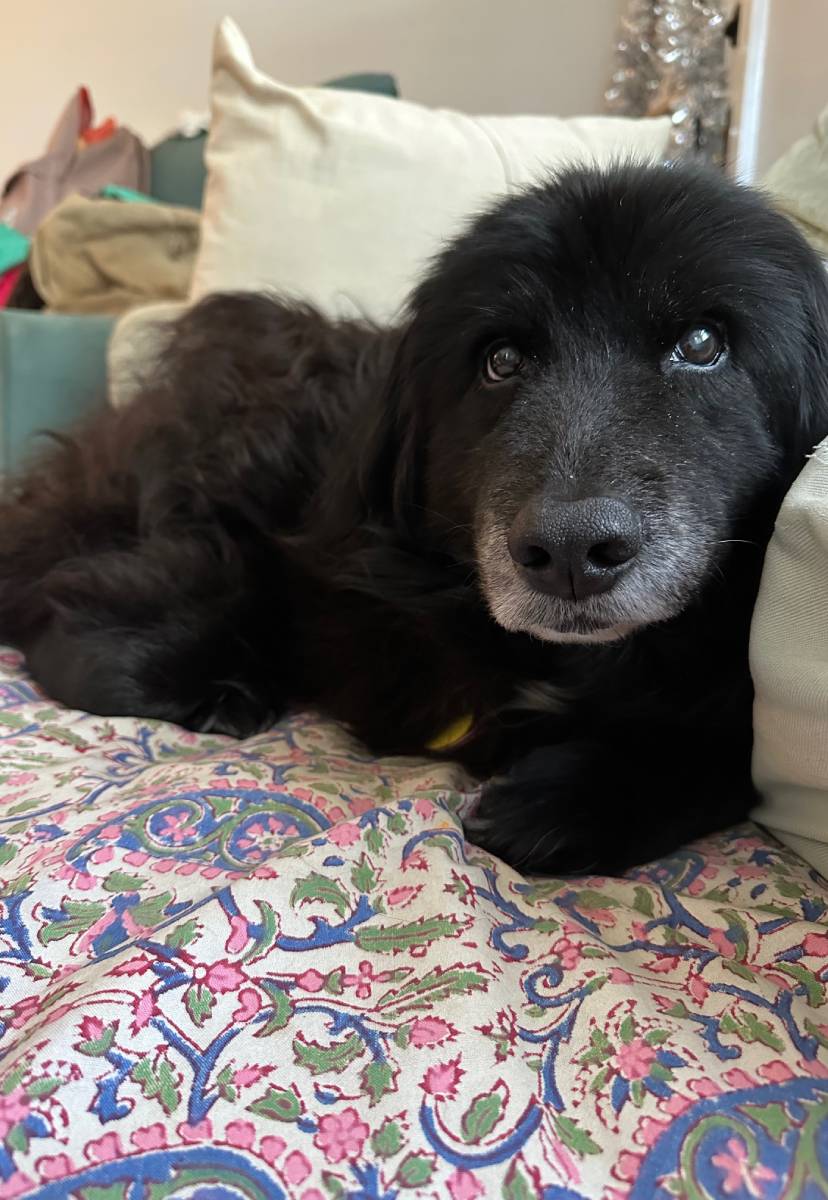
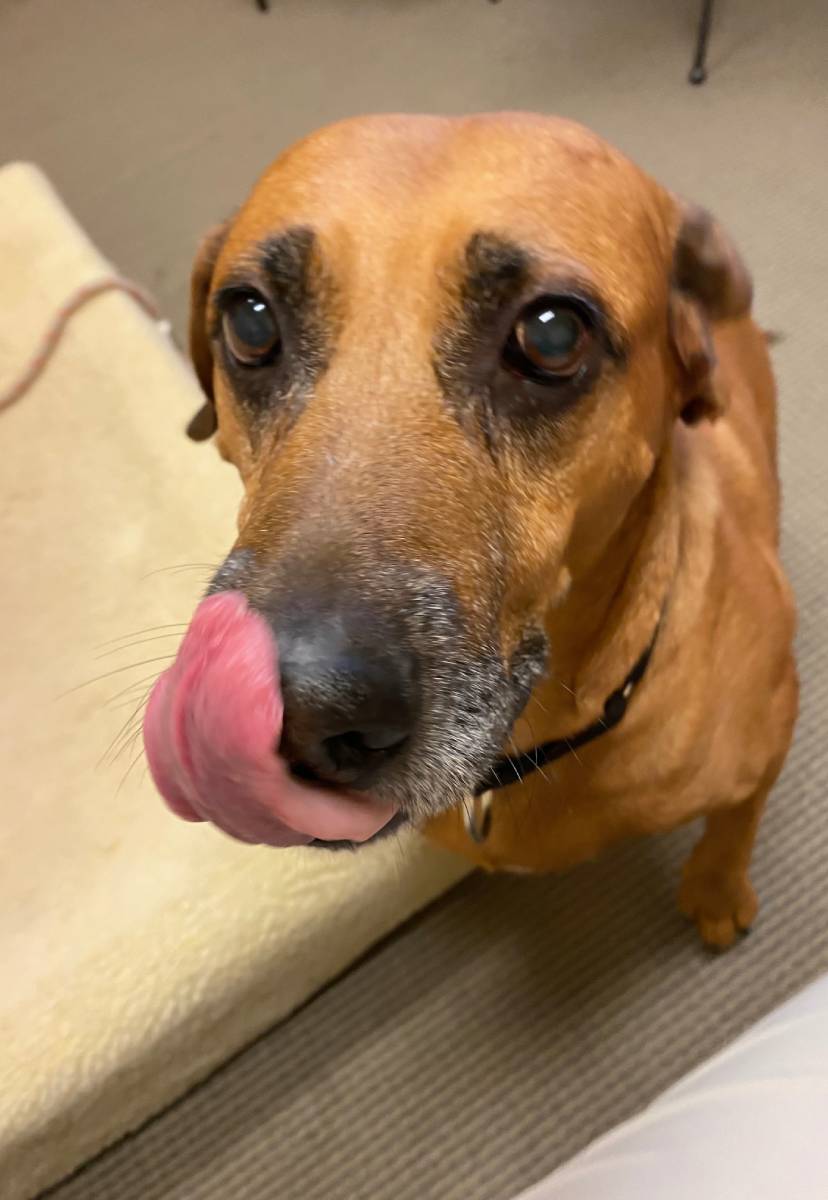
If you’ve been fortunate enough to have a Senior pet in your home, you’ve probably felt tenderness for the grey muzzle, the cloudy gaze, the slow-moving but warm presence. The love of a Senior pet is a gift. And while we desperately wish we could offer ways of keeping these friends around forever, we *can* offer ways of keeping their golden years comfortable and happy.
Getting older is not for the faint of heart. With the passage of time, we can expect increasing challenges with mobility, sensory clarity, and cognitive function. Mobility issues may stem from degenerative joint disease (arthritis), loss of muscle mass and strength (sarcopenia), and/or nerve dysfunction (neuropathy/myelopathy). There may be specific treatments for these various conditions, but some general environmental adjustments can be quite helpful:
- Add non-skid rugs or mats around the house (don’t forget stairs)
- Try non-skid booties
- Add ramps or intermediate steps to access beds/furniture
- Provide raised food and water dishes for easier access

Decline in sensory function can be confusing, limit activities, and add to anxiety. While we cannot correct vision or hearing loss, these changes can be reassuring:
- Add night lights or string lights in dimly-lit parts of your home (again, don’t forget stairs!)
- If your pet has completely lost vision, keep furniture arranged in a consistent way, and consider use of a Halo collar
- With vision/hearing loss, keep your pet leashed while outdoors for safety
- Briefly warm food to improve flavor and aroma
Cognitive change can be disorienting to pets and their people, alike. You may see your pet exhibiting new and different behaviors, they may seem more anxious than in the past, and they might have trouble settling at night to rest. Keeping their schedule consistent and predictable can sometimes help. Talking with your vet about ways to help anxiety is often useful. As you might imagine, the other aging issues just discussed (decreased mobility, pain, decline in vision/hearing) can all contribute here, too – as can their accommodations.
As your furry friends age, the likelihood of other health impairments increases. For this reason, we recommend exams every 6 months so we can catch issues early – it also provides opportunities to discuss and manage other normal aging challenges. We absolutely adore our Senior patients and are here to help them (and you!) enjoy their older years to the fullest. As always, please reach out with questions.